
Call Now or Make an Appointment
Structured-Cabling-Why-It-Matters-for-Business-Relocations

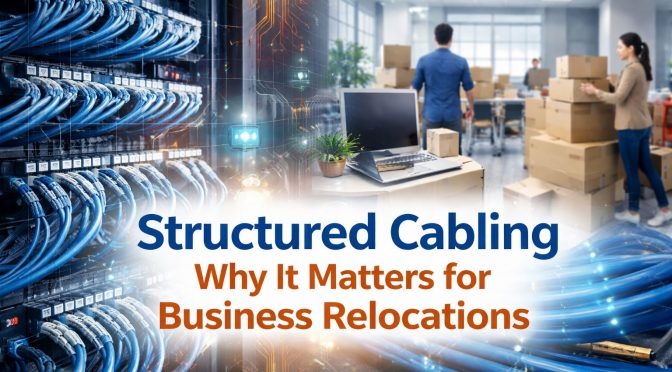
Structured Cabling: Why It Matters for Business Relocations

During relocations, businesses focus on equipment and minimizing downtime, but often overlook network setup, especially structured cabling.

Modern businesses need organized networks for reliable, secure, fast data transfer. Without them, tasks become unreliable.

Structured cabling keeps companies efficient during moves, preventing downtime with a tidy network foundation.

Businesses choose structured cabling for easier installation, improved performance, and future scalability. It modernizes IT systems across industries.

What is structured cabling, why is it important for office moves, and how can companies set it up?

Understanding Structured Cabling

Definition of Structured Cabling

At its core, structured cabling refers to a standardized system of cables, connectors, and hardware that creates a comprehensive telecommunications infrastructure within a building or campus. It supports multiple communication technologies, including internet connectivity, telephone systems, security networks, and video conferencing tools.

You can think of structured cabling like the road system in your office’s digital world. Highways and streets connect cities, just as structured cabling connects computers, servers, routers, printers, and more. Instead of messy, random wiring, this system uses a clear design with organized connections.

This setup lets businesses easily manage networks. Technicians quickly identify connections for new devices or repairs without sorting messy cables. Structured cabling meets international standards from organizations such as ISO, TIA, and CENELEC, ensuring that different hardware works together.

The result is a network that’s tidy, easy to expand, and simpler to manage than old-style cabling. For businesses that depend on digital tools, like online stores or banks, structured cabling is key to keeping everything connected as they grow or move.

How Structured Cabling Works in Modern Networks

To understand this in action, picture a large office building where hundreds of devices share data every second. Computers connect to servers, employees make calls over the internet, cameras send video, and Wi-Fi spreads internet throughout the office.

Structured cabling centralizes all connections. Instead of separate cables for every device, cables go through the main points and panels. This lets businesses easily upgrade or change parts of the network.

Structured cabling adds flexibility. As businesses hire, add software, or move, it’s easy to add, move, or change things without redoing the whole network.

Structured cabling boosts network reliability. Neatly arranged and labeled cables reduce interference and mistakes, saving time and minimizing disruptions.

In short, structured cabling turns a messy network into a well-designed system. This improvement supports today’s business technology as companies move or grow, directly linking network management with transitions.

Components of a Structured Cabling System

Horizontal Cabling

Horizontal cabling connects workstations to telecommunications rooms. It typically runs through ceilings, floors, or walls from desks to distribution points.

In a typical office environment, horizontal cabling connects devices such as desktop computers, IP phones, printers, and wireless access points to the network infrastructure. The design ensures that each workspace has consistent and reliable connectivity.

Backbone Cabling

Backbone cabling is like the main highway of the network. It connects telecom rooms, server rooms, and data centers within a building, carrying large amounts of data between different parts of the network.

Fiber-optic cables are often used for backbone cabling because they can handle large amounts of data and operate over long distances. This means fast data transfer between floors or buildings in a business campus.

Telecommunications Rooms and Equipment Rooms

Telecommunications rooms house switches, patch panels, and routers. These rooms connect cables from equipment rooms to servers and storage. They use strong cooling, security, and power systems. Work-area components such as outlets, patch cords, and connectors let employees plug in devices, keeping the network organized and reliable.

Together, these parts form a cohesive system that keeps communication smooth throughout the business. This cohesion makes office moves and expansions much easier, connecting previous concepts to transitions.

Structured Cabling vs Traditional Cabling

Key Differences

FeatureStructured CablingTraditional Cabling
OrganizationStandardized and organizedOften messy and inconsistent
ScalabilityEasy to expandDifficult to modify
MaintenanceSimple troubleshootingTime-consuming repairs
PerformanceHigh reliabilityFrequent disruptions

With traditional cabling, every time a business adds a device, it needs a new cable. This quickly leads to a tangled mess and an increased risk of problems.

Structured cabling avoids this issue by establishing a clear system from the start. With an organized foundation, it’s much easier to make changes or move the business later on.

Why Traditional Cabling Fails in Growing Businesses

Traditional wiring can work in small offices with only a few devices. But as a business grows, it becomes much harder to manage. The IT staff have trouble finding the right cables, and adding new connections takes longer. Structured cabling solves these problems by introducing a modular infrastructure that supports business growth without constant rewiring—making it especially valuable during relocations.

Why Structured Cabling Is Important for Businesses

Improved Network Performance

Modern businesses depend on reliable connectivity for cloud computing, remote collaboration, and digital services. Structured cabling supports high-speed data transmission and minimizes signal interference, ensuring consistent network performance.

When cables are neatly organized and installed to industry standards, data moves faster between devices. This means less delay and a better experience for both employees and customers.

Better Organization and Management

If you’ve ever seen a server room full of tangled cables, you know how frustrating it can be. Structured cabling eliminates this mess by organizing everything into clearly labeled paths and points.

This makes it easier for IT teams to manage the network, identify issues, and perform upgrades without disrupting operations, especially during critical transitions such as office relocations.

Cost Efficiency Over Time

Although installing structured cabling requires an upfront investment, it significantly reduces long-term costs. While structured cabling costs more at first, it saves money over time. Businesses spend less on fixing problems, maintenance, and upgrades because the system is built for efficiency, making structured cabling a wise investment, especially when planning business moves.

The Role of Structured Cabling in Business Relocations

Simplifying Office Moves

When companies relocate, they must rebuild their IT infrastructure in the new office. Structured cabling simplifies this with a standard layout that is easy to replicate and expand, addressing current and future needs.

Reducing Downtime During Relocation

Downtime during a move can be very expensive. Employees might not be able to use systems, talk to clients, or finish their work.

Structured cabling reduces downtime by allowing advanced planning and quick setup. Businesses get back to work faster.

Supporting Business Expansion

Companies often move because they’re growing. Structured cabling supports this by making it easy to add new desks, devices, and technology without big changes to the network.

This ease of growth is why businesses choose structured cabling.

Advantages of Structured Cabling for Modern Companies
top-av-integration-services-in-washington-dc
Top AV Integration Services in Washington DC

Scalability and Future-Proof Infrastructure

Technology evolves rapidly. New communication tools, IoT devices, and cloud platforms require high-bandwidth, reliable connections.

Structured cabling is designed to grow with your business, allowing you to expand your network without replacing everything.

Enhanced Security and Reliability

Structured cabling enhances network security by grouping connections and controlling access. With fewer errors and better signals, companies have fewer disruptions and higher productivity.

Structured Cabling Market Growth and Industry Trends

The demand for structured cabling is increasing rapidly as businesses invest in digital infrastructure. The global market was estimated at USD 15.13 billion in 2025 and is expected to reach USD 33.41 billion by 2034, growing at an annual rate of about 9.2%.

Several trends are driving this growth:

  • Expansion of cloud computing
  • Growth of smart buildings
  • Adoption of IoT devices
  • Increased demand for high-speed connectivity

As companies go digital, structured cabling remains essential for business infrastructure.

Best Practices for Implementing Structured Cabling During Office Moves

Successful implementation requires careful planning. Businesses should evaluate their current and future technology needs before installing structured cabling.

Key best practices include:

  • Conducting a network infrastructure assessment before relocation
  • Designing the cabling layout based on office floor plans
  • Using high-quality cables and certified installation professionals
  • Ensuring compliance with international cabling standards

By following these practices, companies can build a network infrastructure that supports long-term growth and operational efficiency.

Conclusion

Structured cabling may not be the first thing you notice during a business move, but it’s one of the most important parts. Every fast internet connection, smooth video call, and reliable cloud service depends on a well-designed network.

When businesses use structured cabling, they get a system that’s organized, easy to grow, and ready for the future. This setup makes moving offices simpler, cuts down on downtime, and lets technology change without needing to redo the wiring.

As digital change accelerates across every industry, structured cabling will remain at the heart of business connectivity.

Companies that invest in structured cabling now set themselves up for smoother operations, higher productivity, and long-term growth in a more connected world.

FAQs

1. What is structured cabling in simple terms?

Structured cabling is an organized system of cables and connectors that supports communication networks within a building. It connects devices such as computers, servers, and phones through a standardized infrastructure.

2. Why is structured cabling important for office relocation?

It provides a pre-planned network infrastructure that reduces downtime and simplifies installation when moving to a new office.

3. How long does structured cabling last?

Most structured cabling systems last 10–15 years or more, depending on the quality of installation and the frequency of technology upgrades.

4. Is structured cabling expensive?

The initial cost can be higher than traditional wiring, but it reduces long-term maintenance and upgrade costs.

5. Can structured cabling support future technologies?

Yes. Structured cabling is designed to support high bandwidth and new technologies such as IoT devices, smart building systems, and high-speed internet.
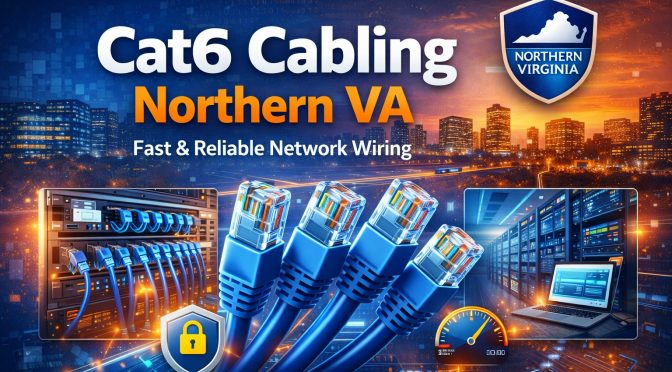
Cat6 Cabling Northern VA Fast & Reliable Network Wiring

Cat6 Cabling Northern VA – Reliable High-Speed Network Solutions

In today’s connected world, your network is like the nervous system of your home or business. If it’s slow or unstable, everything suffers. That’s why Cat6 cabling in Northern VA has become the go-to solution for reliable, high-speed networking.

Northern Virginia is a technology-driven region filled with data centers, government offices, IT firms, and smart homes. All these environments demand fast, secure, and future-ready cabling—and Cat6 delivers exactly that.

What Is Cat6 Cabling?

Cat6 (Category 6) is an Ethernet cable standard designed to support high-speed data transmission. It’s commonly used for local area networks (LANs) and supports Gigabit and even 10-Gigabit speeds over short distances.

Why Northern VA Needs Advanced Network Cabling

With remote work, cloud computing, and smart devices becoming the norm, outdated cabling simply can’t keep up. Cat6 cabling provides the backbone modern networks in Northern VA depend on.

Understanding Cat6 Ethernet Cabling

Before choosing a cabling solution, it helps to understand what makes Cat6 special.

Technical Specifications of Cat6

Cat6 cables support speeds up to 10 Gbps over distances up to 55 meters and operate at frequencies up to 250 MHz. This makes them ideal for high-performance networks.

Cat6 vs Cat5e vs Cat6a

Cat5e is cheaper but slower. Cat6 offers a strong balance of speed and cost. Cat6a goes even further but comes at a higher price and thicker cable size.

Bandwidth and Speed Comparison

Think of bandwidth like a highway. Cat6 is a wider, smoother road that allows more data to flow faster without traffic jams.

Benefits of Cat6 Cabling for Homes and Businesses

Faster Data Transfer Speeds

Cat6 handles heavy data loads with ease, making it perfect for streaming, cloud access, and large file transfers.

Reduced Crosstalk and Interference

Thanks to tighter twists and better insulation, Cat6 minimizes signal interference, resulting in a more stable connection.

Future-Proof Network Infrastructure

Installing Cat6 today prepares your property for tomorrow’s technology without frequent upgrades.

Why Choose Professional Cat6 Cabling Services in Northern VA

DIY cabling may seem tempting, but professional installation makes a big difference.

Local Expertise and Compliance

Northern VA cabling contractors understand local building codes, safety regulations, and commercial requirements.

Structured Cabling Best Practices

Professionals follow structured cabling standards, ensuring clean layouts, easy maintenance, and scalability.

Safety and Performance Assurance

Certified installers test every cable to ensure optimal performance and safety compliance.

Cat6 Cabling Services Offered in Northern Virginia

Commercial Cat6 Cabling

Ideal for offices, warehouses, and retail spaces that rely on constant connectivity.

Residential Cat6 Installation

Perfect for smart homes, home offices, and multi-device households.

Data Centers and Server Rooms

Cat6 plays a critical role in structured cabling for racks, switches, and patch panels.

Industries That Rely on Cat6 Cabling in Northern VA

Corporate Offices and IT Firms

High-speed networking is essential for productivity and collaboration.

Healthcare and Medical Facilities

Reliable cabling supports electronic records, imaging systems, and secure communication.

Education and Government Buildings

Cat6 ensures smooth online learning, secure data handling, and uninterrupted services.

The Cat6 Cabling Installation Process

Site Survey and Network Planning

Installers assess layout, network needs, and future expansion plans.

Cable Routing and Installation

Cables are routed through walls, ceilings, and conduits with minimal disruption.

Testing, Labeling, and Certification

Each cable is tested and labeled for performance, reliability, and easy troubleshooting.

Cost of Cat6 Cabling in Northern VA

Factors Affecting Pricing

Building size, cable length, complexity, and labor all influence cost.

Average Cost Estimates

Cat6 cabling in Northern VA typically ranges from moderate to premium pricing depending on project scope.

Cost vs Long-Term Value

While Cat6 may cost more upfront, it saves money long-term through reliability and reduced upgrades.

Common Mistakes to Avoid with Cat6 Cabling

Poor Cable Management

Messy cables lead to interference and maintenance headaches.

Using Low-Quality Materials

Cheap cables reduce performance and lifespan.

Skipping Network Testing

Untested cables can cause slow speeds and downtime.

Cat6 Cabling and Network Performance

Impact on Internet Speed

Cat6 ensures your network doesn’t bottleneck your internet connection.

Reliability for VoIP and Video Conferencing

Clear calls and smooth video depend on stable cabling.

Support for Smart Systems

From security cameras to automation, Cat6 handles it all.

Compliance and Standards for Cabling in Northern VA

TIA/EIA Cabling Standards

Professional installers follow industry standards for performance and safety.

Building Codes and Fire Safety

Plenum-rated cables and proper routing ensure compliance.

Future Trends in Network Cabling

Smart Buildings and IoT

More devices mean higher demand for structured cabling.

Transition Toward Higher-Speed Networks

Cat6 acts as a bridge toward next-generation cabling solutions.

How to Choose the Right Cat6 Cabling Contractor

Experience and Certifications

Look for licensed and certified professionals.

Reviews and Local Reputation

Local feedback matters—choose a trusted Northern VA provider.

Warranty and Support

Reliable contractors stand behind their work.

Conclusion

Investing in Cat6 cabling in Northern VA is a smart move for anyone who values speed, reliability, and future-ready networking. Whether you’re upgrading a home office or wiring a large commercial facility, Cat6 delivers the performance modern technology demands. With professional installation and proper planning, your network becomes a powerful foundation for growth.

FAQs

1. Is Cat6 cabling suitable for home use?

Yes, Cat6 is ideal for smart homes and home offices.

2. How long does Cat6 cabling last?

Properly installed Cat6 can last 10–15 years or more.

3. Can Cat6 support 10Gb internet?

Yes, over shorter distances up to 55 meters.

4. Is Cat6 better than Wi-Fi?

Wired Cat6 connections are faster and more stable than Wi-Fi.

5. Do I need professional installation for Cat6 cabling?

For best performance, safety, and compliance, professional installation is highly recommended.

Structured Cabling Arlington VA: The Ultimate Guide

Introduction to Structured Cabling

If you’ve ever had messy wires tangled under your desk or struggled with slow internet in your office, then you already know why structured cabling matters. In Arlington, VA, both businesses and homeowners are shifting toward organized cabling systems that provide speed, flexibility, and future-proofing for technology needs.

What is Structured Cabling?

Definition and Core Concept

Structured cabling is a standardized system of wiring that supports multiple hardware uses. It organizes data, voice, and video networks into a single, unified infrastructure.

How Structured Cabling Differs from Traditional Wiring

Unlike the spaghetti mess of traditional point-to-point wiring, structured cabling uses a planned design that’s easy to maintain, expand, and troubleshoot.

Importance of Structured Cabling in Arlington VA

Growing Tech Needs in the Region

Arlington VA is home to government offices, startups, and large corporations. These organizations require fast and reliable connectivity.

Business Communication Demands

From VoIP phones to cloud-based tools, businesses rely heavily on structured cabling for seamless communication.

Residential Applications

Smart homes are no longer the future—they’re the present. From streaming devices to security cameras, structured cabling supports it all.

Components of a Structured Cabling System

Horizontal Cabling

Runs between outlets and telecommunications rooms, usually within the same floor.

Backbone Cabling

Connects different floors or buildings, ensuring data travels across the entire network.

Work Area Components

Includes wall outlets, patch cords, and user devices.

Telecommunications Room and Equipment

The hub where all cables connect, often holding switches, routers, and patch panels.

Benefits of Structured Cabling

Scalability for Future Growth

Need to add more employees? No problem—structured cabling can handle expansions.

Cost-Efficiency and Reduced Downtime

Less downtime means more productivity, saving both time and money.

High-Speed Data Transmission

Supports high bandwidth demands for video conferencing, cloud storage, and more.

Better Network Management

An organized system makes troubleshooting fast and painless.

Structured Cabling Standards

ANSI/TIA/EIA Standards Overview

These global standards ensure reliability and compatibility across different devices.

Local Arlington VA Regulations

Always check with local codes to ensure your system is compliant.

Applications of Structured Cabling

Offices and Corporations

From startups to large firms, structured cabling supports seamless workflow.

Educational Institutions

Reliable cabling ensures students and staff stay connected in digital classrooms.

Healthcare Facilities

Hospitals and clinics need fast, secure communication systems.

Smart Homes

Perfect for Arlington homeowners who want modern, connected living.

Applications of Structured Cabling

Offices and Corporations

From startups to large firms, structured cabling supports seamless workflow.

Educational Institutions

Reliable cabling ensures students and staff stay connected in digital classrooms.

Healthcare Facilities

Hospitals and clinics need fast, secure communication systems.

Smart Homes

Perfect for Arlington homeowners who want modern, connected living.

Installation Process

Site Survey and Planning

Experts assess your space and requirements.

Cabling Design

A blueprint is created for maximum efficiency.

Implementation and Testing

Cables are installed, tested, and certified for performance.

Maintenance and Support

Regular check-ups ensure everything keeps running smoothly.

Costs of Structured Cabling in Arlington VA

Factors Affecting Costs

Cable type, building size, and complexity influence pricing.

Residential vs. Commercial Pricing

Homes are usually less expensive, while commercial projects vary widely.

Common Mistakes to Avoid

Poor Planning

Rushing the design leads to costly changes later.

Using Low-Quality Materials

Cheap cables = frequent replacements.

Ignoring Future Needs

Always plan for growth—your business or home network won’t stay the same forever.

Trends in Structured Cabling

Fiber Optic Dominance

Fiber is quickly becoming the gold standard for speed and reliability.

Smart Building Integration

Cabling now supports HVAC, lighting, and security systems.

Wireless and Wired Synergy

Even wireless networks need a strong cabling backbone.

Structurede-Cabling-Services-in-Northern-VA

Structured Cabling Services in Northern VA: Enhance Your Network Efficiency & Scalability

For companies of all sizes, dependable and effective network infrastructure is crucial in today’s digital world. Investing in expert structured cabling services is one of the best choices, regardless of whether you’re building a new facility, expanding your office, or updating your technology. The business community in Northern Virginia (Northern VA) is flourishing, and as businesses grow, there is a greater need than ever for well-organized cabling systems. This post will discuss the value of structured cabling and how Northern Virginia’s specialized services can help your company.

Structured Cabling: What is it?

A standardized system of cables and parts used to connect and send voice, video, and data throughout a building or campus is known as structured cabling. It consists of several wires, connectors, and channels that guarantee a dependable and seamless communication flow between workstations, servers, and devices. A carefully thought-out cabling system can significantly increase your network’s performance, scalability, and efficiency.

Northern Virginia’s Structured Cabling Advantages

1. Enhanced Network Efficiency

High-speed internet and faultless communication are crucial because Northern Virginia is a centre for tech companies and startups. By ensuring that your network runs as quickly and reliably as possible, structured cabling lowers the possibility of connectivity problems that could interfere with business operations.

2. Preparing Your Infrastructure for the Future

Businesses require scalable solutions that can expand with the rapidly changing technological landscape. Companies can integrate new technologies like 5G, IoT, and fibre optics without completely redesigning their network, thanks to structured cabling’s flexibility for future upgrades.

3. Cost-Effective

Structured cabling is a more cost-effective option in the long run, even though the initial investment may seem high. Businesses can save time and money by avoiding frequent repairs and system failures due to a well-organised cabling system.

4. Increased Security

Protecting your network is essential because cyber threats are getting more complex. Data transmission security and the design of the entire infrastructure with physical security measures in mind are guaranteed by structured cabling. Northern Virginia recognises the importance of stringent security measures because it is home to many government agencies and private companies.

5. More Efficiency

An uninterrupted, up-and-running network can significantly boost worker productivity. Thanks to structured cabling, employees have continuous access to the resources they require to perform their duties, which guarantees little downtime.

Essential Elements of Services for Structured Cabling

Comprehensive Network Design: Professionals in Northern Virginia will evaluate your company’s needs and create a customised cabling system to meet them.

Installation & Setup: Expert installation guarantees that the system is implemented with the least interference with your regular business operations.

Maintenance & Support: Regular maintenance guarantees that your network will continue functioning at its peak efficiency, with repairs and troubleshooting available.

Cable Management: Maintaining a clean and orderly network with proper cable management makes it easier to expand and troubleshoot.

Compliance: Structured cabling companies guarantee that your system complies with regional laws and industry standards.

Why Pick Northern Virginia Structured Cabling Services?

Numerous service providers focusing on structured business cabling are in Northern Virginia. Working with a local service provider guarantees prompt response times and familiarity with the local infrastructure, whether opening a new office or renovating an old one.

1. Skill and Background

Numerous service providers in Northern Virginia have years of experience working with companies in various industries. Their knowledge guarantees accurate design and installation of the cabling infrastructure, lowering the likelihood of issues later on.

2. Local Expertise

A local provider is familiar with the building codes and regulations in the area. This information guarantees that your system complies entirely, preventing any expensive errors that might cause your project to be delayed.

3. Scalable Solutions

Scalable solutions are essential as Northern Virginia businesses continue to grow. Businesses in the area can easily expand their systems with the help of structured cabling services.

4. Personalisation

Every company has unique requirements. Local service providers guarantee that your network is configured most effectively and efficiently by providing solutions specifically suited to your needs.

How Can I Pick the Best Northern Virginia Structured Cabling Provider?

A few crucial considerations should be made when choosing a structured cabling supplier in Northern Virginia:

1. Experience and Reputation: Seek out businesses with a history of happy clients and successful installations.

2. Certifications: Verify the provider’s technical proficiency by seeking certifications from trade associations like BICSI.

3. Comprehensive Services: Select a supplier that provides complete services, including design, installation, and continuing assistance.

4. Cost Transparency: Verify that the supplier offers a transparent estimate, up front, and free of any additional costs.

5. Customer Support: Choose a business that provides excellent customer service and responds quickly to any problems or queries you might have.

Conclusion

Structured cabling serves as the backbone of modern network infrastructure. In Northern Virginia, where businesses are in a constant state of evolution, a robust, reliable, and scalable cabling system is essential for your operations. Collaborating with a qualified and certified professional guarantees that your network functions efficiently, remains adaptable for future demands, and is tailored to your unique requirements. If you are looking to improve the cabling system in your office, consider contacting a reputable structured cabling service provider in Northern Virginia. Require a complete network solution. With the correct partner, you’ll have a strong base that facilitates the expansion of your company, boosts output, and guarantees clear communication.