
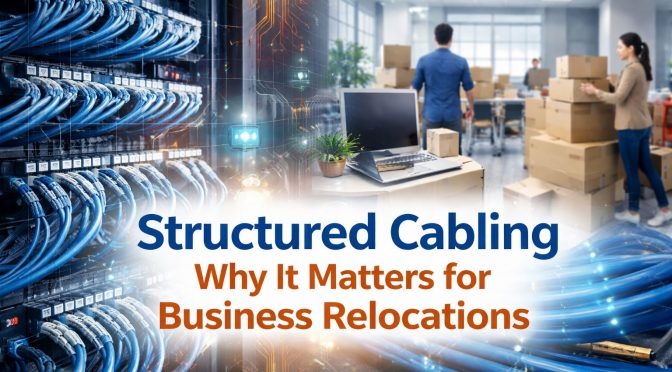
During relocations, businesses focus on equipment and minimizing downtime, but often overlook network setup, especially structured cabling.
Modern businesses need organized networks for reliable, secure, fast data transfer. Without them, tasks become unreliable.
Structured cabling keeps companies efficient during moves, preventing downtime with a tidy network foundation.
Businesses choose structured cabling for easier installation, improved performance, and future scalability. It modernizes IT systems across industries.
What is structured cabling, why is it important for office moves, and how can companies set it up?
Understanding Structured Cabling
Definition of Structured Cabling
At its core, structured cabling refers to a standardized system of cables, connectors, and hardware that creates a comprehensive telecommunications infrastructure within a building or campus. It supports multiple communication technologies, including internet connectivity, telephone systems, security networks, and video conferencing tools.
You can think of structured cabling like the road system in your office’s digital world. Highways and streets connect cities, just as structured cabling connects computers, servers, routers, printers, and more. Instead of messy, random wiring, this system uses a clear design with organized connections.
This setup lets businesses easily manage networks. Technicians quickly identify connections for new devices or repairs without sorting messy cables. Structured cabling meets international standards from organizations such as ISO, TIA, and CENELEC, ensuring that different hardware works together.
The result is a network that’s tidy, easy to expand, and simpler to manage than old-style cabling. For businesses that depend on digital tools, like online stores or banks, structured cabling is key to keeping everything connected as they grow or move.
How Structured Cabling Works in Modern Networks
To understand this in action, picture a large office building where hundreds of devices share data every second. Computers connect to servers, employees make calls over the internet, cameras send video, and Wi-Fi spreads internet throughout the office.
Structured cabling centralizes all connections. Instead of separate cables for every device, cables go through the main points and panels. This lets businesses easily upgrade or change parts of the network.
Structured cabling adds flexibility. As businesses hire, add software, or move, it’s easy to add, move, or change things without redoing the whole network.
Structured cabling boosts network reliability. Neatly arranged and labeled cables reduce interference and mistakes, saving time and minimizing disruptions.
In short, structured cabling turns a messy network into a well-designed system. This improvement supports today’s business technology as companies move or grow, directly linking network management with transitions.
Components of a Structured Cabling System
Horizontal Cabling
Horizontal cabling connects workstations to telecommunications rooms. It typically runs through ceilings, floors, or walls from desks to distribution points.
In a typical office environment, horizontal cabling connects devices such as desktop computers, IP phones, printers, and wireless access points to the network infrastructure. The design ensures that each workspace has consistent and reliable connectivity.
Backbone Cabling
Backbone cabling is like the main highway of the network. It connects telecom rooms, server rooms, and data centers within a building, carrying large amounts of data between different parts of the network.
Fiber-optic cables are often used for backbone cabling because they can handle large amounts of data and operate over long distances. This means fast data transfer between floors or buildings in a business campus.
Telecommunications Rooms and Equipment Rooms
Telecommunications rooms house switches, patch panels, and routers. These rooms connect cables from equipment rooms to servers and storage. They use strong cooling, security, and power systems. Work-area components such as outlets, patch cords, and connectors let employees plug in devices, keeping the network organized and reliable.
Together, these parts form a cohesive system that keeps communication smooth throughout the business. This cohesion makes office moves and expansions much easier, connecting previous concepts to transitions.
Structured Cabling vs Traditional Cabling
Key Differences
| Feature | Structured Cabling | Traditional Cabling |
| Organization | Standardized and organized | Often messy and inconsistent |
| Scalability | Easy to expand | Difficult to modify |
| Maintenance | Simple troubleshooting | Time-consuming repairs |
| Performance | High reliability | Frequent disruptions |
With traditional cabling, every time a business adds a device, it needs a new cable. This quickly leads to a tangled mess and an increased risk of problems.
Structured cabling avoids this issue by establishing a clear system from the start. With an organized foundation, it’s much easier to make changes or move the business later on.
Why Traditional Cabling Fails in Growing Businesses
Traditional wiring can work in small offices with only a few devices. But as a business grows, it becomes much harder to manage. The IT staff have trouble finding the right cables, and adding new connections takes longer. Structured cabling solves these problems by introducing a modular infrastructure that supports business growth without constant rewiring—making it especially valuable during relocations.
Why Structured Cabling Is Important for Businesses
Improved Network Performance
Modern businesses depend on reliable connectivity for cloud computing, remote collaboration, and digital services. Structured cabling supports high-speed data transmission and minimizes signal interference, ensuring consistent network performance.
When cables are neatly organized and installed to industry standards, data moves faster between devices. This means less delay and a better experience for both employees and customers.
Better Organization and Management
If you’ve ever seen a server room full of tangled cables, you know how frustrating it can be. Structured cabling eliminates this mess by organizing everything into clearly labeled paths and points.
This makes it easier for IT teams to manage the network, identify issues, and perform upgrades without disrupting operations, especially during critical transitions such as office relocations.
Cost Efficiency Over Time
Although installing structured cabling requires an upfront investment, it significantly reduces long-term costs. While structured cabling costs more at first, it saves money over time. Businesses spend less on fixing problems, maintenance, and upgrades because the system is built for efficiency, making structured cabling a wise investment, especially when planning business moves.
The Role of Structured Cabling in Business Relocations
Simplifying Office Moves
When companies relocate, they must rebuild their IT infrastructure in the new office. Structured cabling simplifies this with a standard layout that is easy to replicate and expand, addressing current and future needs.
Reducing Downtime During Relocation
Downtime during a move can be very expensive. Employees might not be able to use systems, talk to clients, or finish their work.
Structured cabling reduces downtime by allowing advanced planning and quick setup. Businesses get back to work faster.
Supporting Business Expansion
Companies often move because they’re growing. Structured cabling supports this by making it easy to add new desks, devices, and technology without big changes to the network.
This ease of growth is why businesses choose structured cabling.
Advantages of Structured Cabling for Modern Companies
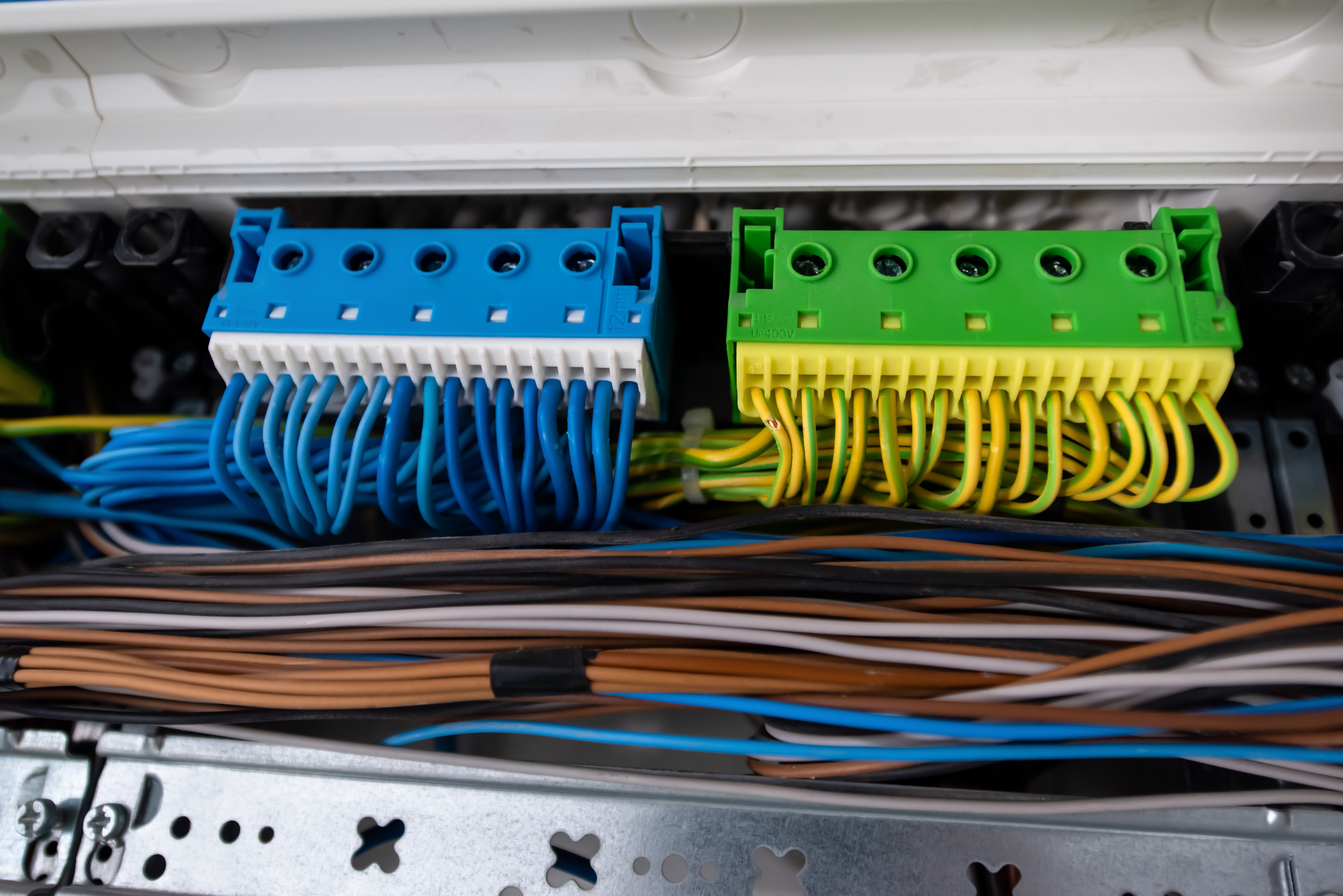
Scalability and Future-Proof Infrastructure
Technology evolves rapidly. New communication tools, IoT devices, and cloud platforms require high-bandwidth, reliable connections.
Structured cabling is designed to grow with your business, allowing you to expand your network without replacing everything.
Enhanced Security and Reliability
Structured cabling enhances network security by grouping connections and controlling access. With fewer errors and better signals, companies have fewer disruptions and higher productivity.
Structured Cabling Market Growth and Industry Trends
The demand for structured cabling is increasing rapidly as businesses invest in digital infrastructure. The global market was estimated at USD 15.13 billion in 2025 and is expected to reach USD 33.41 billion by 2034, growing at an annual rate of about 9.2%.
Several trends are driving this growth:
- Expansion of cloud computing
- Growth of smart buildings
- Adoption of IoT devices
- Increased demand for high-speed connectivity
As companies go digital, structured cabling remains essential for business infrastructure.
Best Practices for Implementing Structured Cabling During Office Moves
Successful implementation requires careful planning. Businesses should evaluate their current and future technology needs before installing structured cabling.
Key best practices include:
- Conducting a network infrastructure assessment before relocation
- Designing the cabling layout based on office floor plans
- Using high-quality cables and certified installation professionals
- Ensuring compliance with international cabling standards
By following these practices, companies can build a network infrastructure that supports long-term growth and operational efficiency.
Conclusion
Structured cabling may not be the first thing you notice during a business move, but it’s one of the most important parts. Every fast internet connection, smooth video call, and reliable cloud service depends on a well-designed network.
When businesses use structured cabling, they get a system that’s organized, easy to grow, and ready for the future. This setup makes moving offices simpler, cuts down on downtime, and lets technology change without needing to redo the wiring.
As digital change accelerates across every industry, structured cabling will remain at the heart of business connectivity.
Companies that invest in structured cabling now set themselves up for smoother operations, higher productivity, and long-term growth in a more connected world.
FAQs
1. What is structured cabling in simple terms?
Structured cabling is an organized system of cables and connectors that supports communication networks within a building. It connects devices such as computers, servers, and phones through a standardized infrastructure.
2. Why is structured cabling important for office relocation?
It provides a pre-planned network infrastructure that reduces downtime and simplifies installation when moving to a new office.
3. How long does structured cabling last?
Most structured cabling systems last 10–15 years or more, depending on the quality of installation and the frequency of technology upgrades.
4. Is structured cabling expensive?
The initial cost can be higher than traditional wiring, but it reduces long-term maintenance and upgrade costs.
5. Can structured cabling support future technologies?
Yes. Structured cabling is designed to support high bandwidth and new technologies such as IoT devices, smart building systems, and high-speed internet.