
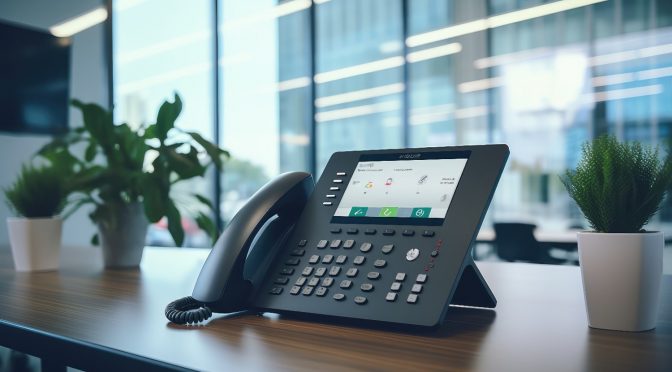
Introduction to VoIP and Its Importance
What Is VoIP?
VoIP, or Voice over Internet Protocol, is a modern communication technology that allows voice calls to be made using the internet rather than traditional landlines. Instead of copper wires, your voice travels as digital signals. Fast, simple, and reliable—VoIP has changed the way businesses communicate. VoIP Phone Systems Washington DC
Why Washington DC Businesses Need Modern Communication
Washington DC is a busy hub filled with government offices, enterprises, law firms, and nonprofit organizations. To keep up with fast communication demands, businesses here need a flexible and advanced phone solution—something traditional landlines simply can’t offer.

How VoIP Phone Systems Work
The Technology Behind VoIP
VoIP converts your voice into small digital packets. These packets travel through the internet and reach the receiver instantly. The process is seamless and provides clearer sound quality compared to outdated phones.
Voice Data Transmission Explained
Think of VoIP like sending emails—but instead of text, you’re sending sound packets. They move quickly and are reassembled without lag.
Role of Internet Bandwidth
Your internet speed plays a major role in VoIP performance. Strong bandwidth ensures crystal-clear communication, no call drops, and zero interruptions.
Benefits of VoIP services Washington DCfor Washington DC Businesses
Cost Efficiency
VoIP systems are significantly cheaper than traditional phone lines. You pay only for services you use—no large installation fees or hidden charges.
Scalability for Growing Teams
Whether you’re adding 2 employees or 200, VoIP can grow with you. Adding new lines takes seconds, not days.
Mobility and Remote Work Support
VoIP allows employees to make and receive business calls from anywhere—home, office, or on the go—using smartphones or laptops.
Advanced Features to Improve Productivity
VoIP comes with:
- Call recording
- Call forwarding
- Virtual meetings
- IVR menus
- Unified communication platforms
All these help streamline management and improve team efficiency.
Key Features of VoIP Phone Systems
Auto Attendant
Greets callers and directs them to the right department without needing a human receptionist.
Call Routing & Forwarding
Perfect for remote teams—calls automatically go to mobile phones or laptops.
Voicemail-to-Email
Your voicemails are sent to your inbox as audio or text, making communication easier.
Video Conferencing Integration
VoIP systems often include video meeting tools like Zoom or Teams.
Analytics & Call Reporting
Businesses can track call volume, duration, response time, and agent performance.
Why Washington DC Needs VoIP More Than Ever
Fast-Paced Business Environment
DC’s business world moves quickly. VoIP supports instant communication without delays.
HIPAA, Government & Security Requirements
VoIP systems come with encryption and secure communication protocols—perfect for law firms, health institutions, and government contractors.
Enhanced Communication for Professionals
Whether it’s a lobbyist, attorney, doctor, or consultant—clear communication is essential.
Choosing the Best VoIP Phone System in Washington DC
Evaluate Your Internet Connection
Good internet = good call quality. Test your broadband before switching.
Consider Local Support & Reliability
Choose a provider with a local presence in DC for faster support.
Check Security Protocols
Ensure your VoIP system includes:
- Encryption
- Multi-factor authentication
- Firewall protection
Compare Plans & Features
Look for flexible pricing, unlimited calling, and strong customer support.
Hotbed Technology – A Leading VoIP Provider in Washington DC
What Makes Them Stand Out
Hotbed Technology offers enterprise-grade VoIP solutions tailored for businesses of all sizes.
Tailored Solutions for DC Businesses
Whether it’s a government office or a corporate firm, their VoIP systems adapt to unique needs.
Strong Security & 24/7 Support
You get around-the-clock assistance and top-level encryption.
Cost of VoIP Phone Systems in Washington DC
Monthly Subscription Models
Prices usually start low and scale depending on the number of users.
Hardware vs Software Costs
Softphones cost less since they run on existing devices.
Enterprise vs Small Business Plans
Larger companies get advanced call features, while small businesses can choose simple packages.
How to Set Up a VoIP Phone System
Step-by-Step Installation Guide
Hardware Setup
Install IP phones or configure softphones on computers.
Software Configuration
Connect your VoIP account, choose settings, and set call routing.
Testing & Optimization
Make test calls, check call quality, and adjust bandwidth settings.
Common Problems and How to Fix Them
Call Drops
Often caused by low bandwidth—upgrade your internet plan.
Poor Audio Quality
Check for network congestion or wireless interference.
Latency Issues
Improve router settings or switch to wired connections.
Future of VoIP in Washington DC
AI-Powered Call Management
AI will automate routing, transcriptions, and customer interactions.
Cloud Communication Trends
Cloud-based VoIP offers scalability and remote access.
Integration with Smart Offices
Smart devices and IoT tools will streamline communication even more.
Conclusion
VoIP phone systems are transforming the way Washington DC businesses communicate. With lower costs, scalability, advanced features, and high security, VoIP is now the smartest choice for any modern organization. Whether you’re a startup or a government contractor, upgrading your communication system can significantly improve productivity and customer experience.
FAQs
1. Are VoIP phone systems reliable in Washington DC?
Yes, with good internet, VoIP systems are extremely reliable and secure.
2. How much internet speed is required for VoIP?
A minimum of 100 kbps per call is recommended for high clarity.
3. Can VoIP work for remote employees?
Absolutely—VoIP supports remote work through smartphones and apps.
4. Is VoIP secure for government and legal businesses?
Yes, encrypted VoIP systems meet HIPAA and industrial security standards.
5. Do I need new hardware for VoIP?
Not always. Many businesses use softphones on computers or mobile devices.